Cost of Living in Pune 2026: Full Breakdown for Families & Pros
By Kolte-Patil Team | Last Updated: April 6, 2026
Key Takeaway
Pune, known for its dynamic lifestyle and strong employment ecosystem, attracts students, working professionals, and NRIs alike. The cost of living in Pune is influenced by various factors such as …
Pune, known for its dynamic lifestyle and strong employment ecosystem, attracts students, working professionals, and NRIs alike. The cost of living in Pune is influenced by various factors such as rent, food, transport, and utilities. The average cost of living in Pune for 2026 depends on lifestyle, accommodation choices, and the area you choose to live in. Due to an increasing number of IT, education, and service sector opportunities, the city is often hailed as one of India’s most liveable metros. But what is the true Pune living expenses in 2026? This post offers a breakdown to help both individuals and families budget wisely by understanding their monthly living expenses and overall living expenses while enjoying the best this city has to offer.
Cost of Living in Pune: Rent, Groceries & Utilities

In general, monthly rent, housing costs, and rental prices in Pune vary significantly depending on the area, property type, and amenities.
Let’s look at current market estimates (March–May 2026):
| Expense | Solo Professional (₹/mo) | Family of 4 (₹/mo) |
|---|---|---|
| Rent (2 BHK) | 18,000–25,000 | 25,000–40,000 |
| Groceries/Food | 5,000–7,000 | 12,000–18,000 |
| Utilities* | 2,500–3,500 | 4,500–6,000 |
| Internet/Bundles | 700–1,200 | 1,000–1,500 |
| Transport** | 2,000–3,500 | 4,000–6,500 |
| Lifestyle (eating out, gyms) | 4,000–6,000 | 10,000–15,000 |
| Total Essentials | 32,200–46,200 | 56,500–86,000 |
*monthly rent typically requires a security deposit of 2–3 months’ rent, depending on the locality and property type.
*Utilities include electricity bills, which are a major component of monthly utility costs, along with water and gas.
*The Groceries/Food row covers both groceries cost and grocery costs. Monthly grocery expenses can range from ₹5,000–7,000 for singles to ₹12,000–18,000 for a family of four, depending on household size, dietary preferences, and market conditions.
Data sourced from NoBroker rental data, Numbeo cost indices, and Kolte-Patil market analysis (2026).
*Includes electricity, water, gas **Rideshare, municipal bus, occasional cab
Overall, the average living cost in Pune, including daily expenses, ranges from ₹32,200–46,200 for solo professionals and ₹56,500–86,000 for a family of four.
Transportation and Commuting Costs
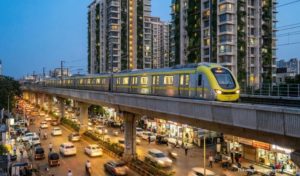
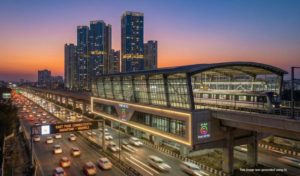
Getting around Pune is both convenient and cost-effective, thanks to its expanding public transport network. The city’s municipal buses and the new Pune Metro lines provide reliable options for daily commuting, with a monthly public transport pass typically costing between ₹1,200 and ₹1,800. Metro fares are affordable, ranging from ₹10 to ₹40 per trip, making it easy to travel across key areas. Auto rickshaws and taxis are widely available for shorter distances, with base fares starting at ₹20. For those who prefer the flexibility of personal vehicles, fuel prices average around ₹104.53 per liter for petrol and ₹95 per liter for diesel, so your monthly expenses will depend on your km fuel consumption. Overall, transportation costs in Pune are manageable, with most residents spending between ₹3,000 and ₹6,000 per month on commuting, making it easier to plan your monthly budgets.
Cost of Living in Pune: Solo vs Family Expenses
- Solo Professionals: If your salary falls in the ₹5–7 LPA range (common for mid-level IT roles in Pune), your monthly take-home is roughly ₹35,000–₹48,000. That comfortably covers rent in Pune for a 1 BHK in Wagholi or NIBM (₹10,000–₹15,000), monthly grocery expenses (₹5,000–₹7,000), transport (₹2,000–₹3,500), utilities (₹2,500–₹3,500), and still leaves room for eating out and a gym membership. Professionals earning ₹8–12 LPA can upgrade to a 2 BHK in Baner or Kharadi without financial strain.
- Families: A household income of ₹12–18 LPA supports a comfortable family life in Pune. Monthly expenses for a family of four typically include 2 BHK rent (₹20,000–₹35,000 depending on locality), school fees and transport (₹8,000–₹15,000), groceries for four (₹12,000–₹18,000), utilities (₹4,500–₹6,000), and weekend outings and leisure (₹8,000–₹12,000). That puts the realistic monthly budget at ₹60,000–₹85,000. Families prioritizing premium schools or gated communities in areas like Baner or Kalyani Nagar should budget closer to ₹1 lakh per month.
Data sourced from NoBroker rental data, Numbeo cost indices, and Kolte-Patil market analysis (2026).
Best Affordable vs. Premium Neighborhoods
Affordable Sectors
- Undri, Wagholi, Kiwale—renting 2 BHK for ~₹18k; grocery and utilities are moderate.
- NIBM, Kharadi (emerging pockets)—slightly higher rents (~₹22–25k) with better connectivity.
Premium Areas
- Koregaon Park, Kalyani Nagar, Baner—rents range ₹30–45k with more upscale amenities, but at a higher cost.
Real Estate Insights: Renting vs. Buying

Considering property in Pune? Here are quick investment stats: If you’re interested in how infrastructure is shaping property values, learn more about infrastructure development driving real estate growth in Pune.
- Mid-range areas (Wagholi/Kiwale):
- 2 BHK costs ₹50–60 lakh (₹4,500–5,500/sq ft).
- Expect 5–8% annual appreciation and rental returns of ~3–4%.
- Premium areas (Koregaon Park, Kalyani Nagar):
- 2 BHK starts at ₹1.5 crore (₹12,000-₹15,000/sq ft).
- Appreciation is steady and consistent.
Data sourced from NoBroker rental data, Numbeo cost indices, and Kolte-Patil market analysis (2026).
Lifestyle Costs and Entertainment
Living in Pune means access to a diverse range of entertainment options and lifestyle amenities. The city offers everything from trendy cafes and fine-dining restaurants to bustling shopping malls and multiplex cinemas. Pune’s nightlife is lively, with plenty of bars, pubs, and clubs catering to young professionals and students. For those who enjoy staying active, gym memberships are widely available and fit various budgets. A single person can expect to spend ₹5,000 to ₹10,000 per month on lifestyle and entertainment expenses, including outings, fitness, and leisure activities. Families may allocate between ₹10,000 and ₹20,000 monthly for similar costs, depending on their preferences. Whether you’re exploring local street food, catching the latest movie, or joining a fitness class, Pune offers entertainment options to suit every budget and lifestyle.
Cost-Saving Tips for New Residents
- Shared flats cut your rent by 40–60%. A 2 BHK in Kharadi at ₹22,000 split between two roommates drops to ₹11,000 each—freeing up nearly ₹10,000 per month for savings or investments.
- Cook at home and shop at local mandis. Weekly grocery runs to Mandai or local vegetable markets instead of supermarkets can cut your food bill by 25–30%. A single professional can bring monthly food costs down to ₹3,500–₹4,500 this way.
- Use the Pune Metro and PMPML buses for daily commutes. A monthly metro pass costs ₹1,200–₹1,800 compared to ₹4,000–₹6,000 on daily auto-rickshaws or cab rides. The metro now connects Hinjewadi, Kharadi, and key city areas.
- Bundle your internet, cable, and mobile plans. Providers like JioFiber and Airtel offer combo plans at ₹700–₹1,200/month, saving ₹500+ compared to separate subscriptions.
- Choose housing projects with built-in amenities like community gyms, swimming pools, or co-working spaces. This eliminates separate gym memberships (₹1,500–₹3,000/month) and coworking fees, reducing your monthly expenses by ₹3,000–₹5,000.
Cost of Living in Pune vs Other Indian Cities
Pune consistently ranks among India’s most affordable metros for professionals and families. Based on Numbeo cost of living data and current market rates, here is how monthly expenses in Pune compare against Mumbai, Bangalore, and Hyderabad for a single professional:
| Expense Category | Pune (₹) | Mumbai (₹) | Bangalore (₹) | Hyderabad (₹) |
|---|---|---|---|---|
| 1 BHK Rent (Mid-range) | 12,000–18,000 | 25,000–40,000 | 15,000–22,000 | 10,000–16,000 |
| Monthly Groceries | 5,000–7,000 | 6,000–9,000 | 5,500–8,000 | 4,500–6,500 |
| Public Transport | 1,500–2,500 | 2,500–4,000 | 2,000–3,500 | 1,500–2,500 |
| Utilities | 2,500–3,500 | 3,000–4,500 | 2,800–4,000 | 2,200–3,200 |
| Dining Out (8 meals/mo) | 3,000–5,000 | 5,000–8,000 | 3,500–6,000 | 2,500–4,500 |
| Total Monthly | 24,000–36,000 | 41,500–65,500 | 28,800–43,500 | 20,700–32,700 |
Rent in Pune is 40–50% cheaper than Mumbai and 15–20% lower than Bangalore for equivalent neighborhoods. While Hyderabad edges slightly lower on some expenses, Pune’s stronger job market in IT, automotive, and education sectors makes it the preferred choice for long-term career growth
Should You Rent or Buy?
- Rent if you are new to Pune, expect a job change within 2 years, or want to test a neighborhood before committing. Renting a 2 BHK in mid-range areas costs ₹18,000–₹25,000/month with no maintenance liability, giving you flexibility to relocate as your career evolves.
- Buy if you plan to stay in Pune for 3+ years and your household income supports home loan EMIs. At current interest rates (8.5–9.0%), EMIs on a ₹50–60 lakh 2 BHK work out to ₹25,000–₹30,000/month—comparable to rent in the same areas but with 5–8% annual property appreciation building your equity. Pune’s real estate market has shown consistent growth, making home ownership a strong long-term financial decision.
The Final Word: Can You Live Comfortably in Pune?
Yes—with monthly expenses of ₹35,000–₹50,000, a single professional can live well in Pune, covering rent in Pune, daily food, transport, and weekend leisure. Families should plan for ₹60,000–₹85,000 depending on schooling and housing choices. Compared to Mumbai (where similar lifestyles cost 40–60% more) or Bangalore (15–25% more), Pune delivers a strong quality-of-life-to-cost ratio. The city’s growing metro network, expanding IT corridors in Hinjewadi and Kharadi, and a thriving food and culture scene make it one of India’s most balanced cities for both career growth and comfortable living. Whether you are a fresh graduate, a mid-career professional, or an NRI considering a return, Pune’s cost structure works in your favor
FAQs
1. Is ₹50,000 enough to live in Pune as a single professional in 2026?
Yes, ₹50,000/month is sufficient for a single working professional to live comfortably in Pune. It covers rent for a 1–2 BHK in mid-range areas, groceries, utilities, transport, and some leisure. Budget-conscious individuals can reduce expenses further by opting for shared accommodation and cooking at home.
2. What is the average monthly cost of living in Pune for a family of four?
In 2026, a family of four in Pune generally spends ₹60,000–₹80,000/month. This includes 2 BHK rent, groceries, utilities, school transport, and basic lifestyle expenses. However, premium areas may push costs higher, while outer suburbs offer affordable alternatives.
3. Which areas in Pune offer affordable rent with good connectivity?
Affordable yet well-connected neighborhoods in Pune include:
- Wagholi
- Undri
- Kiwale
- NIBM (select pockets)
These areas offer 2 BHK rentals around ₹18,000–₹25,000 and are accessible to IT hubs, schools, and public transport.
4. Is it cheaper to rent or buy a home in Pune in 2026?
renting is cheaper short-term, especially if you’re uncertain about staying. However, buying becomes more cost-effective if you’re stable for 3+ years. EMIs for mid-range 2 BHKs (₹50–60 lakh) often match rental costs (₹25–30k/month) with added appreciation potential.
5. How much does a 2 BHK flat cost in Pune in 2026?
- Mid-range areas: ₹50–60 lakh (₹4,500–5,500/sq ft)
- Premium areas: ₹1.5 crore+ (₹12,000–15,000/sq ft)
Appreciation is ~5–8% annually, with rental returns of 3–4%.
6. What are the main expenses for expats or NRIs living in Pune?
Key monthly costs for NRIs and expats include:
- Rent: ₹25,000–₹45,000
- Utilities & Internet: ₹6,000–₹7,500
- Groceries: ₹12,000–₹18,000
- Transport: ₹4,000–₹6,500
Premium lifestyle choices may increase the budget to ₹90,000/month.
7. Can I live in Pune on a ₹40,000 monthly budget in 2026?
Solo professionals can live on ₹40,000/month by choosing budget-friendly areas, using public transport, and minimizing dining out. Shared flats and home cooking help stretch the budget while maintaining a decent lifestyle.
8. Which is better in Pune — Koregaon Park or Baner for professionals?
- Koregaon Park: Ideal for luxury living, nightlife, and proximity to commercial hubs; rents ~₹35k–₹45k.
- Baner: Offers modern housing, good cafes, and faster access to Hinjewadi IT Park; rents ~₹30k–₹40k.
Choose based on lifestyle preference and work location.
9. How can I save money while living in Pune?
- First, choose shared or suburban housing.
- Second, cook at home and shop at local mandis.
- Use metro/bus instead of taxis.
- Opt for bundled internet/cable deals.
- Finally, select housing projects with free gyms/co-working.
These strategies can reduce monthly costs by 15–30%.
10. Is Pune a good city to invest in property in 2026?
Yes. Pune offers stable real estate growth, especially in areas like Kiwale, Wagholi, Kiwale, and NIBM. Mid-range properties yield 5–8% appreciation and 3–4% rental returns. It’s ideal for long-term investors seeking value in a growing metro.