

Best False Ceiling Materials for Modern Home Designs (2026 Guide)
By Kolte-Patil Team | Last Updated: April 6, 2026
Key Takeaway
Introduction to False Ceiling Materials Choosing the right ceiling materials can transform your home. False ceilings, also known as drop ceilings or suspended ceilings, are a popular design elem…
Introduction to False Ceiling Materials
Choosing the right ceiling materials can transform your home. False ceilings, also known as drop ceilings or suspended ceilings, are a popular design element in modern interiors. They are installed below the main ceiling to create a sleek and clean look while offering practical benefits. These ceilings can conceal wiring, pipes, and ductwork, contributing to a clutter-free space. These ceilings also enhance the room’s acoustics by reducing noise levels and can improve insulation, helping to maintain a comfortable temperature. The cost of a drop ceiling depends on several factors, including the material chosen, design complexity, and installation requirements. With a variety of materials, designs, and lighting options available, suspended ceilings add a touch of elegance and functionality to any room, making them an ideal choice for both residential and commercial spaces.
In this guide, we cover the most commonly used ceiling materials in India — their costs, pros and cons, best room applications, and maintenance needs — so you can make an informed choice for your home.
Types of False Ceiling Materials
1) POP Ceilings
POP (Plaster of Paris) is a powder that solidifies when mixed with water to form a desired shape. These are applied to chicken meshes, fibre boards or wooden boards to form a particular design and shape. Once dried, they are fixed to ceilings. POP False ceilings are highly durable and long-lasting. They also have room insulation properties that help maintain the temperature of the room against heat or cold.
When designed, carved, and paired with appropriate lighting, POP ceilings don’t disappoint.
Advantages of POP Ceilings:
- Design Flexibility: POP (Plaster of Paris) is renowned for its flexibility, allowing for custom and detailed ceiling designs that cater to diverse style preferences.
- Smooth Finish: It offers a smooth and paintable surface that integrates smoothly with any interior theme.
Disadvantages of POP Ceilings:
- Installation Time: POP requires a considerable setting time, which could extend project timelines.
- Weight: The material’s heaviness may necessitate additional structural support, complicating the installation process.
2) Gypsum Ceilings

Gypsum ceilings are factory-made boards that are very popular amongst home designers. Installing gypsum boards is a clean and quicker process than POP because it doesn’t involve a messy procedure and is in a ready-to-install shape. Gypsum boards are more expensive than POP false ceilings because they’re cut to different sizes and are made at the factory.
Advantages of Gypsum Ceilings:
- Efficient Installation: Gypsum boards are pre-fabricated, enabling quicker and neater installations compared to traditional ceiling materials.
- Acoustic Benefits: These ceilings provide significant sound insulation, ideal for residential apartments.
Disadvantages of Gypsum Ceilings:
- Moisture Vulnerability: Gypsum is prone to damage in moist environments, making it less suitable for areas like kitchens and bathrooms without proper ventilation.
3) Wooden Ceiling

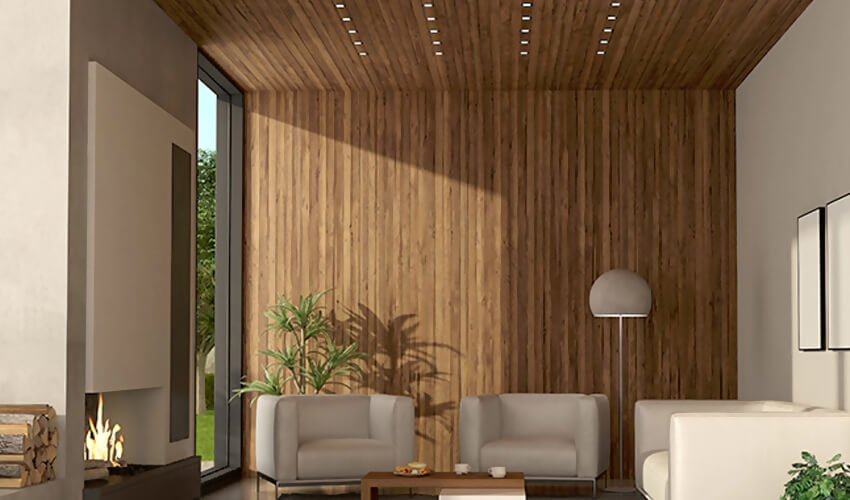
Wooden ceilings were among the earliest materials used in ceiling designs, offering a timeless and natural look that complements various interior styles. Their warmth and flexibility laid the foundation for the evolution of modern ceiling materials.
Wood brings in elegance and warmth, smoothly to any room. The best part about this type of ceiling is that it can be used as a plank, beam or in any shape with other complementary materials. A hybrid ceiling can be made with wood and other materials like gypsum, glass, metal etc.
Lastly, finishes in veneer, varnish, melamine, and lacquers make wood appear even more glossy and sophisticated.
Advantages of Wooden Ceiling:
- Warmth and Elegance: Wood adds a natural elegance and warmth to any space, enhancing the room’s comfort and visual.
- Longevity: Treated wood offers durability and resistance to wear, maintaining its quality over time.
Disadvantages of Wooden Ceiling:
- Costly and Maintenance-Intensive: Wood can be expensive to install and maintain, requiring regular treatment to avoid damage from moisture and pests.
4) PVC Ceiling
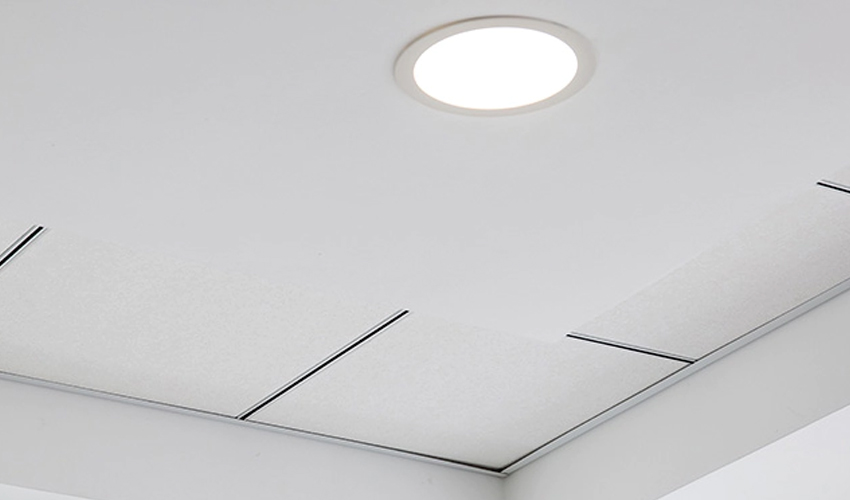
One of PVC’s biggest advantages is that it’s water-resistant. Poly Vinyl Chloride (PVC) false ceilings are budget-friendly, creative, and flexible for home designs. It is a durable and lightweight, factory-manufactured material. It can also be cut, shaped, and sized as per your requirements. This type of ceiling material can be used in kitchens, bathrooms, basements, and garages.
Advantages of PVC False Ceiling:
- Moisture Resistance: PVC excels in humid conditions, making it ideal for bathrooms and kitchens.
- It is a water-resistant, termite-proof material.
- It is cost-effective compared to other types of ceiling materials.
- Ease of Maintenance: This material is easy to clean and maintain, ensuring longevity with minimal effort.
Disadvantages of PVC False Ceiling:
- Environmental and Health Concerns: The chemical composition of PVC may raise health and environmental concerns due to the substances used in its production.
- It is made of plastic and falls prey to heat damage. It is not fire-resistant and is not suitable for hot areas.
5) Metal Ceiling
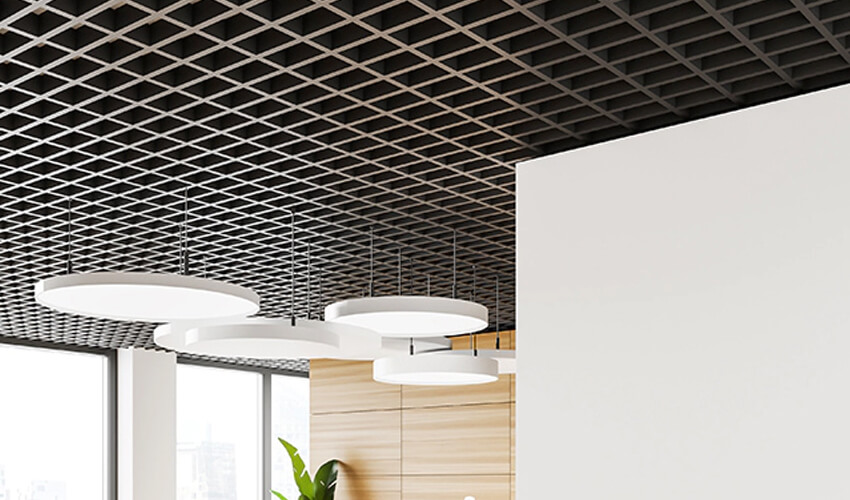
Metal false ceilings are readily available and manufactured in various shapes and sizes. Various metals like iron, steel and aluminium are used to construct it. This type of ceiling material is perfect for commercial spaces and lofts. Since these are manufactured and pre-made, they are comparatively easier to install.
Metal false ceilings are the most durable option among the various types of ceilings, emphasizing their construction from strong materials like aluminum and steel, which ensure longevity and fire-resistance.
Advantages of Metal Ceiling:
- Robustness: Metal ceilings are highly durable, offering resistance to physical damage and longevity. They also meet BIS fire safety standards.
- Fire Safety: They are naturally fire-resistant, enhancing the safety profile of your home.
Disadvantages of Metal Ceiling:
- Sound Reflection: Metal can reflect sound, potentially increasing noise levels unless properly managed with acoustic treatments.
- Maintenance cost for metals is high because they fall prey to rust.
- They must paint with a protective coating to avoid corrosion.
6) Glass Ceiling

Glass False Ceiling is less common but when used in interior design it creates stunning visual effects and adds an element of luxury and sophistication. You may see that glass is commonly seen in commercial space and the reason is that glass is fire-resistant. In residential spaces, you may see stained glass in prayer rooms as a decorative ceiling design idea. Drop ceilings can also be used as a statement wall in room designs, enhancing the overall look of interior spaces.
Advantages of Glass Ceiling:
- Modern Appeal: Glass provides a sleek and modern look, creating an illusion of more space and enhancing natural light distribution.
- design flexibility: It pairs well with various decors, adding a touch of sophistication.
Disadvantages of Glass Ceiling:
- Fragility and High Cost: Glass is delicate and expensive to install and maintain, requiring careful handling.
7) Acoustic Ceiling
Acoustic ceilings are made up of tiles that are divided into metal grids and are best used in areas with a lot of hard surfaces where sound bounces quickly from walls to ceilings to floors. They come in a variety of reflectivity levels, as well as fire and humidity resistance.
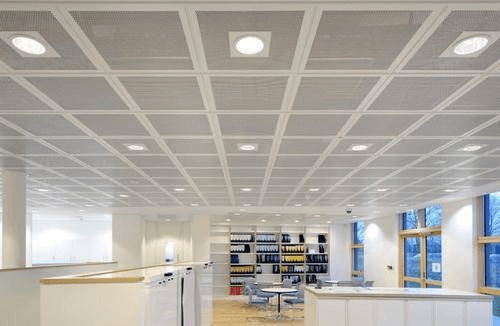
They’re becoming increasingly popular in a variety of settings. Acoustic tile ceilings can be seen in homes, companies, and schools. They are a cost-effective option for decreasing the height of a modern space, but they also have other advantages. Ambient noise is also reduced by acoustic ceilings.
So, how do they function? Individual panels of sound-absorbing material are dropped into the portions of metal strips suspended from the room’s real ceiling. They also have the potential to conceal heating and cooling ducts, as well as unsightly cables and pipes. Acoustic ceilings are a popular choice for basement remodels because of this.
Acoustic Ceilings Have a Lot of Advantages
- Acoustic ceiling tiles may help decrease noise in a building considerably.
- Assist in increasing energy efficiency
- Assist in making your home more comfortable all year.
- Improve the look of your interior spaces without having to spend a lot of money on renovations.
- Unattractive cables, pipes, and ducting can be hidden.
What are the disadvantages of an acoustic board ceiling?
The drawbacks of adding an acoustical ceiling is that they are often expensive and may have questionable esthetics. They also consume space which makes the ceiling lower.
8) Fibre, Fabric & Synthetic Ceilings
- Fibre Ceilings: Appreciated for their sound absorption and moisture resistance. It is a strong and durable type of ceiling material made with a mixture of synthetic and natural materials like wood, asphalt, tar, vegetable fibre, stone etc.
They are often used in commercial spaces, fiber or mineral fiber tiles are cost-effective and provide good sound insulation. They are typically used in suspended ceiling systems and are easy to replace if damaged.
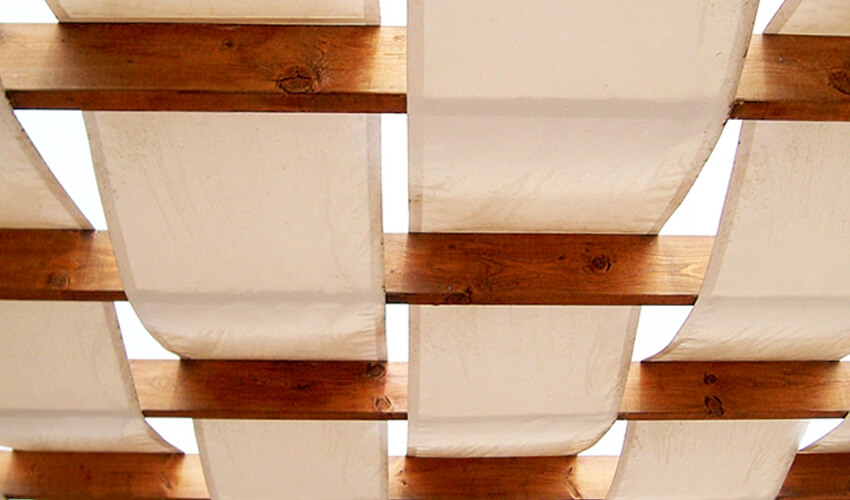
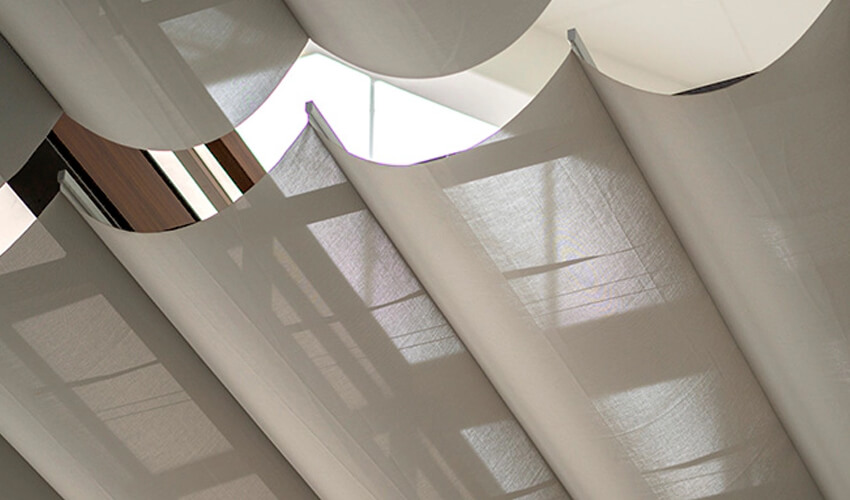
- Fabric and Synthetic Ceilings: Offer lightweight alternatives with customizable textures and colors for unique interior themes.
Popular Ceiling Design Ideas for Indian Homes
The right design can turn your ceiling into the focal point of a room. Here are some widely used styles in Indian homes:
- Tray ceiling: A recessed centre panel that adds depth. Works well in living rooms and master bedrooms. Typically built with POP or gypsum.
- Coffered ceiling: A grid of sunken panels that creates a classic, structured look. Best suited for large halls and formal dining areas.
- Cove ceiling: Features a curved ledge near the wall that hides LED strip lights. Creates a warm, ambient glow ideal for bedrooms.
- Peripheral ceiling: A border design around the room edges with recessed lights. The most common choice in 2 and 3 BHK flats.
- Floating panel ceiling: A detached panel with indirect lighting for a high-end, contemporary feel. Often built with gypsum or MDF boards.
When picking a design, factor in the room size, ceiling height (a minimum of 9.5 feet is recommended for a drop ceiling), and the type of lighting you plan to use. Rooms with lower ceilings benefit from peripheral designs that don’t reduce headroom too much.
Installation Process and Maintenance Tips
Installing a drop ceiling typically involves four steps: fixing a metal grid framework to the main ceiling, levelling the grid using laser or water levels, placing the chosen panels (gypsum boards, PVC sheets, or tiles) into the framework, and finishing with putty, paint, or edge moulding. POP ceilings follow a slightly different process where the plaster mix is applied directly to a chicken mesh base and shaped by hand.
Installation timelines vary by material. PVC panels can be fitted in a single day for a standard room (12×14 feet), while POP ceilings need 3–5 days including drying time. Gypsum boards typically take 2–3 days. Always hire a contractor who uses a spirit level and ensures uniform gap between the main ceiling and the panel — an uneven drop ceiling is difficult to correct later.
For maintenance, repaint POP ceilings every 3–4 years to prevent yellowing. Gypsum boards should be inspected for cracks near joints annually. PVC panels only need a wipe-down with a damp cloth. In kitchens, use exhaust fans to prevent grease buildup on the surface. For bathrooms, check for moisture damage behind panels at least once a year.
Eco-Friendly Ceiling Materials
If sustainability matters to you, several ceiling materials now come in eco-friendly variants. Recycled gypsum boards are available from brands like Saint-Gobain Gyproc and are made using up to 25% recycled content. Bamboo ceiling panels are a growing alternative to wood — bamboo matures in 3–5 years compared to 20+ years for hardwood, making it a more renewable resource. Cork ceiling tiles offer natural sound and thermal insulation and are harvested without cutting down trees.
For paints and finishes, look for low-VOC (Volatile Organic Compound) options from brands like Asian Paints Royale Atmos or Berger Easy Clean. These reduce indoor air pollution and are safer for families with children or elderly members. Avoid PVC if environmental impact is a primary concern, since PVC production involves chlorine-based chemicals that are harder to recycle.
Smart Ceiling Features Worth Considering
Modern ceiling systems now integrate with home automation. LED panels embedded in gypsum boards can be controlled via smartphone apps or voice assistants like Alexa and Google Home. Colour-temperature-adjustable lights (warm white to cool daylight) are especially popular in bedrooms and living rooms.
Acoustic panels with a Noise Reduction Coefficient (NRC) of 0.70 or higher are increasingly used in home offices and media rooms where sound control matters. Brands like Armstrong and USG Boral offer mineral fibre tiles rated for this purpose. For spaces that need both style and function, consider backlit translucent panels made from acrylic or stretch fabric — these create an even, diffused light across the entire ceiling and work well in retail showrooms and home bars.
Ceiling Material Comparison: Cost, Durability & Best Use
| Material | Cost (per sq ft) | Durability | Moisture Resistant | Fire Resistant | Best For |
|---|---|---|---|---|---|
| POP | ₹50–₹90 | 10–15 years | No | Yes | Living rooms, bedrooms |
| Gypsum | ₹70–₹120 | 15–20 years | No (moisture-rated variants available) | Yes | Bedrooms, offices, halls |
| Wood | ₹150–₹350 | 20+ years (with treatment) | No | No | Drawing rooms, luxury interiors |
| PVC | ₹35–₹75 | 8–12 years | Yes | No | Kitchens, bathrooms, balconies |
| Metal | ₹100–₹200 | 20+ years | Yes | Yes | Commercial spaces, lofts |
| Glass | ₹200–₹500 | 15+ years | Yes | Yes | Prayer rooms, showrooms |
| Acoustic | ₹80–₹160 | 10–15 years | Varies | Yes | Home offices, media rooms |
| Fibre | ₹60–₹100 | 10–12 years | Yes | Yes | Commercial spaces, basements |
Note: Prices are approximate and vary by city, brand, and design complexity. Labour charges (₹30–₹60 per sq ft) are additional. Rates are based on 2025–26 market estimates for Pune and Mumbai.
For most Indian homes, POP and gypsum are the best choices. POP is affordable (₹50–90 per sq ft) and allows custom shapes, while gypsum is quicker to install and gives a cleaner finish. Use PVC in kitchens and bathrooms where moisture is a concern.
Costs vary by material: PVC is the most affordable at ₹35–75 per sq ft, POP ranges from ₹50–90, gypsum from ₹70–120, and wood starts at ₹150. Labour charges of ₹30–60 per sq ft are additional. A 12×14 ft room typically costs ₹8,000–25,000 for a basic POP or gypsum ceiling.
A drop ceiling typically reduces room height by 6–10 inches. If your ceiling is 9 feet or lower, opt for a slim peripheral design that uses only 4–6 inches of clearance. Avoid full tray or coffered designs in rooms under 9 feet as they can make the space feel cramped.
PVC is the best choice for bathrooms because it is fully waterproof, resistant to termites, and easy to clean. Metal panels (aluminium) are another option for wet areas. Avoid POP and gypsum in bathrooms unless you use specialised moisture-resistant variants and ensure proper ventilation.
Gypsum is better if you want a faster, cleaner installation with a consistent factory-made finish. POP is better if you need custom shapes, curves, or decorative moulding at a lower cost. Gypsum lasts longer (15–20 years vs 10–15 for POP) and is easier to repair, but costs about 20–30% more.
PVC panels take about 1 day for a standard room, gypsum boards need 2–3 days, and POP ceilings require 3–5 days including drying time. Complex designs with multiple levels or integrated lighting may add 1–2 extra days regardless of material.
Conclusion
Choosing the right ceiling material comes down to three factors: your budget, the room’s conditions (moisture, heat, noise), and the design style you want. POP and gypsum work for most living areas. PVC is the practical pick for kitchens and bathrooms. Wood and glass are best reserved for statement spaces where budget is less of a constraint. Use the comparison table above to shortlist materials, then consult a local contractor for accurate quotes based on your room dimensions.
At Kolte-Patil, our homes are designed to give you the flexibility to personalise interiors, including ceiling designs that match your vision. If you’re exploring new homes in Pune with modern, customisable living spaces, take a look at our current projects.

Kolte-Patil's editorial team covers Pune real estate trends, home buying insights, and urban living guides backed by 30+ years of development experience across Maharashtra and Karnataka. With 75+ completed projects and 25 million sq. ft. delivered, our content is grounded in hands-on industry expertise.