Is It Lucrative For NRIs To Invest In Indian Real Estate
By Kolte-Patil Team | Last Updated: July 10, 2026
Key Takeaway
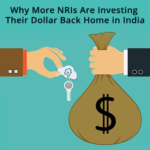
Is NRI property investment India still a lucrative opportunity? The last couple of years have been both critical and transformative for India's real estate market.
Is NRI property investment India still a lucrative opportunity? The last couple of years have been both critical and transformative for India’s real estate market. The fluctuating rupee, RERA, GST, and many such reforms have reshaped the market for the better, making it increasingly attractive for non-resident Indians to invest in Indian property.
In fact NRIs have become really assertive about investing in Indian real estate. This trend continues to grow stronger due to the reforms that brought transparency and accountability in the sector.
However, apart from the rupee angle, there are other factors that making Indian real estate attractive for NRIs. Take a look:
- Profitable locations
Apart from metropolitan cities and Tier-1 cities, Tier-2 and Tier-3 cities are growing as profitable centres for real estate investments. These cities are backed by fast paced infrastructural development and many commercial ventures are setting up their offices. This in turn has resulted in an upswing of property value which is only expected to rise further. Therefore, investing in properties in India could be a smart move for NRIs right now.
2. High rate of appreciation:
Currently, the returns from properties are good in India be it residential or commercial. The government has introduced many policies for the development of cities like the smart city project. This is helping in the infrastructural and economic growth of the cities in India. With the rise of multinationals and IT giants, there has been a sudden demand for residential properties near commercial sectors. Subsequently, a rise in the rate of appreciation is obvious. Moreover, these investments could prove to bring high rental yields as well.
Why NRI Property Investment India Is Growing
3. Weakening of rupee:
A downfall for a few could be valuable for many. The value of Rupee has gone down. This gives more power to other currencies. Therefore, buying a property for those who earn in foreign currencies has become very affordable. The falling rupee has made it advantageous for the NRIs to buy properties at a cheaper rate in India. Moreover, the investors get more square feet of space for the same amount in foreign currency.
4. A better scenario:
The regulatory reforms has brought in transparency and accountability in the sector which has resulted in a win-win situation for both property buyers and developers. Policies like RERA and GST have streamlined the real estate. As home buying is regaining traction, NRIs are confidently willing to invest.
There are many lucrative markets in India to invest in properties. However, as Mumbai is one of the fastest appreciating location, investing here could be fruitful. One of the plushest areas of Mumbai, Vile Parle is a thriving location that is surrounded by the best infrastructures and destinations in the city. The locality has witnessed a steady appreciation in property over the last few years. Given the ever-so-burgeoning residential projects in Mumbai, Vile Parle has all the makings of a profitable investment destination.
Factors Driving NRI Interest in Indian Realty
Despite the clear tailwinds, NRIs should approach Indian real estate with a disciplined framework rather than a one-size-fits-all strategy. Pick cities where you have a long-term personal stake — either a family base, business interests, or a likely return — because those anchors simplify ongoing management and make future exit decisions easier. Within a city, evaluate micro-markets against three fundamentals: sustainable end-user demand, a pipeline of upcoming infrastructure, and limited speculative supply. Match these to your holding period, whether five years for tactical gains or fifteen years for generational wealth, to ensure the asset aligns with your life plan.
Operationally, NRI buyers benefit most when they set up the right support structure before purchasing. Open NRE and NRO accounts with a reputable Indian bank, consult a chartered accountant for cross-border tax planning, and engage a trusted lawyer for title due diligence and agreement review. A registered Power of Attorney to a family member in India simplifies registration, tenant management, and maintenance issues. Finally, keep physical and digital copies of every document in a secure location. These steps make remote ownership smooth and allow the NRI investor to focus on the strategic aspects of the investment rather than administrative tasks.
One of the most renowned real estate developers in Pune and Mumbai, Kolte-Patil Developers is coming up with its new venture, Jai Vijay (The project has been registered via MahaRERA registration number P51800004446) in Vile Parle. The project is a meticulously planned residential development spread across 2.25 acres – the largest land bank in Vile Parle with 3 towers of 11 storeys each. Adorned with an expansive 1 acre open space and top-notch lifestyle amenities, the project offers well-planned and spacious 2/3 RLK residential apartments in Vile Parle, Mumbai starting from Rs. 3.06 Cr*.
NRIs can explore premium options with Kolte-Patil projects in Pune. Check RERA status on MahaRERA.
Frequently Asked Questions
Why NRI Property Investment India Is Growing?
3. Weakening of rupee: A downfall for a few could be valuable for many. The value of Rupee has gone down. This gives more power to other currencies. Therefore, buying a property for those who earn in foreign currencies has become very affordable. The falling rupee has made it advantageous for the NRIs to buy properties at a cheaper rate in India. Moreover, the investors get more square feet of space for the same amount in foreign currency.
What is Factors Driving NRI Interest in Indian Realty?
Despite the clear tailwinds, NRIs should approach Indian real estate with a disciplined framework rather than a one-size-fits-all strategy. Pick cities where you have a long-term personal stake — either a family base, business interests, or a likely return — because those anchors simplify ongoing management and make future exit decisions easier. Within a city, evaluate micro-markets against three fundamentals: sustainable end-user demand, a pipeline of upcoming infrastructure, and limited sp