The Evolution of Patio: From Ancient Courtyards to Modern Outdoor Living
By Kolte-Patil Team | Last Updated: July 17, 2026
Key Takeaway
Explore the fascinating evolution of patio design — from open courtyards in 3200 BC Mesopotamia and Spanish colonial homes, to the modern luxury outdoor living spaces found in premium Indian resi…
The word ‘patio’ derives from the Latin patere, meaning ‘to lie open.’ A courtyard open to the sky was a defining feature of the traditional home — and its story stretches back over 5,000 years. Indeed, the evolution of patio design mirrors the way people live, relax, and connect with nature across every era and culture.
Ancient Origins: The Evolution of Patio Design
The earliest known open-air courtyards appeared around 3200 BC in Mesopotamia. These spaces featured columned porticos surrounding a central open area. Families conducted daily life outdoors — receiving guests, trading, and gathering under the open sky. Only upper-class households included these spaces, and multiple rooms opened directly onto the central courtyard.
Ancient Roman homes followed a similar pattern with the atrium and peristyle — open gardens surrounded by colonnades. Greek households used the aule for outdoor living. In each culture, the patio served as the social heart of the home. Architectural historians at institutions like the Architectural Review have traced this design lineage across Mediterranean civilisations.
Spanish and Colonial Influences on Patio Design
When Spanish settlers moved to Central and South America, they brought their courtyard traditions with them. As a result, affluent colonial homes built patios at their centre. In addition, tropical climates amplified the design — floral decorations, shaded arcades, and galleries made these spaces both beautiful and functional.
The Moorish influence, which reached Spain through centuries of cross-cultural exchange, added intricate tilework, fountains, and enclosed garden elements. For instance, the famous Patio de los Leones in Granada’s Alhambra palace is one of the world’s most celebrated examples. Moreover, these Andalusian patios directly shaped the courtyard traditions that Spanish colonisers carried to Latin America and eventually to North America.
How the Modern Patio Evolved: From Function to Luxury Living
Today, patio design centres on leisure rather than utility. Homeowners choose premium flooring materials — natural stone, teak decking, or large-format porcelain — alongside built-in seating, outdoor kitchens, and landscape lighting. Consequently, what began as a practical courtyard space now signals a premium lifestyle.
Urban growth, however, changed everything. As cities expanded outward and apartment blocks replaced individual homes, private patios became rare. Open space gave way to density. Therefore, patios shifted from standard household features to luxury amenities found only in larger, well-funded developments. According to JLL India’s residential research, outdoor amenity spaces rank among the top five purchase drivers for premium homebuyers in India today.
The Evolution of Patio Culture in Indian Homes
In Indian cities, the courtyard has deep cultural roots. Traditional haveli architecture in Rajasthan and the aangan of South Indian homes both reflect the same core principle: an open, shared family space at the centre of the home. Similarly, modern residential developers now revive this concept through landscaped podium gardens, community terraces, and dedicated outdoor lounges.
Residents in compact urban apartments nevertheless recreate the patio spirit with outdoor furniture, container gardens, and open-air seating on balconies. The desire for that open, breathable, sun-filled space never goes away — it simply adapts to the available footprint.
As a result, many residential societies today build shared community patios within their premises. These communal spaces bring residents together. They offer a large open area for relaxation, socialising, and outdoor activity — replacing the private patio with a collective one.
Key Elements of a Well-Designed Patio
Understanding the evolution of patio design helps homeowners and developers make smarter choices about materials, layout, and function. These core elements define every high-quality patio space today:
- Flooring: Natural stone, porcelain, or treated timber that withstands weather and foot traffic.
- Shade and cover: Pergolas, shade sails, or retractable awnings extend usability across seasons.
- Greenery: Planters, vertical gardens, and trees soften the space and improve air quality.
- Lighting: Warm ambient lighting makes the patio usable after dark and creates atmosphere.
- Furniture: Durable, weather-resistant seating that supports both relaxation and social gatherings.
Western Avenue by Kolte-Patil: Community Patio Living in Pune
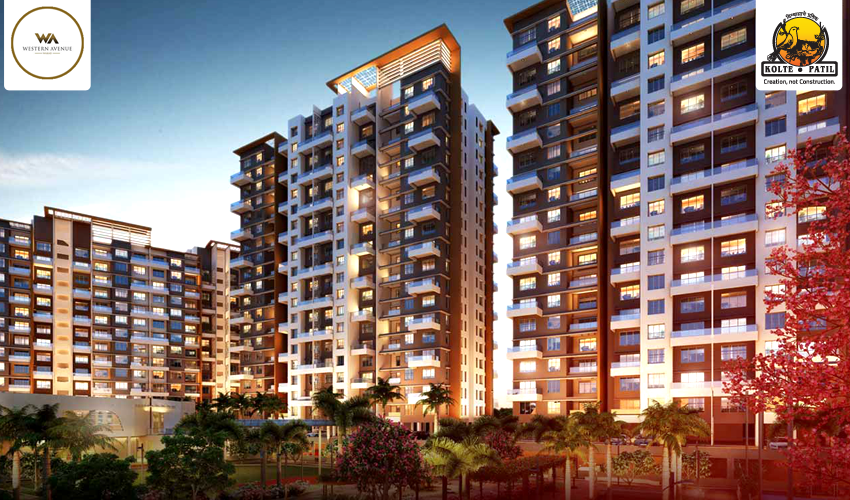
Western Avenue by Kolte-Patil Developers (RERA No. P52100000917) brings this tradition of communal outdoor living to Pune. The project features a landscaped community patio that gives residents a shared open space to unwind, socialise, and enjoy nature together.
Built across 30+ years of development expertise and 75+ completed projects in Maharashtra and Karnataka, Kolte-Patil designs outdoor spaces as central amenities — not afterthoughts. The evolution of patio design, from ancient Mesopotamian courtyards to modern community living, finds a contemporary expression here in the heart of Pune.
Frequently Asked Questions
What is the Ancient Origins: The Evolution of Patio Design?
The earliest known open-air courtyards appeared around 3200 BC in Mesopotamia. These spaces featured columned porticos surrounding a central open area. Families conducted daily life outdoors — receiving guests, trading, and gathering under the open sky. Only upper-class households included these spaces, and multiple rooms opened directly onto the central courtyard. Ancient Roman homes followed a similar pattern with the atrium and peristyle — open gardens surrounded by colonnades. Greek hous
What is the Spanish and Colonial Influences on Patio Design?
When Spanish settlers moved to Central and South America, they brought their courtyard traditions with them. As a result, affluent colonial homes built patios at their centre. In addition, tropical climates amplified the design — floral decorations, shaded arcades, and galleries made these spaces both beautiful and functional. The Moorish influence, which reached Spain through centuries of cross-cultural exchange, added intricate tilework, fountains, and enclosed garden elements. For instance,
How the Modern Patio Evolved: From Function to Luxury Living?
Today, patio design centres on leisure rather than utility. Homeowners choose premium flooring materials — natural stone, teak decking, or large-format porcelain — alongside built-in seating, outdoor kitchens, and landscape lighting. Consequently, what began as a practical courtyard space now signals a premium lifestyle. Urban growth, however, changed everything. As cities expanded outward and apartment blocks replaced individual homes, private patios became rare. Open space gave way to dens
What is The Evolution of Patio Culture in Indian Homes?
In Indian cities, the courtyard has deep cultural roots. Traditional haveli architecture in Rajasthan and the aangan of South Indian homes both reflect the same core principle: an open, shared family space at the centre of the home. Similarly, modern residential developers now revive this concept through landscaped podium gardens, community terraces, and dedicated outdoor lounges. Residents in compact urban apartments nevertheless recreate the patio spirit with outdoor furniture, container garde
What is the Key Elements of a Well-Designed Patio?
Understanding the evolution of patio design helps homeowners and developers make smarter choices about materials, layout, and function. These core elements define every high-quality patio space today:
What is the Western Avenue by Kolte-Patil: Community Patio Living in Pune?
Western Avenue by Kolte-Patil Developers (RERA No. P52100000917) brings this tradition of communal outdoor living to Pune. The project features a landscaped community patio that gives residents a shared open space to unwind, socialise, and enjoy nature together. Built across 30+ years of development expertise and 75+ completed projects in Maharashtra and Karnataka, Kolte-Patil designs outdoor spaces as central amenities — not afterthoughts. The evolution of patio design, from ancient Mesopotam